


5 Secrets to Building a Dropshipping Brand That Customers Trust


Stop the "Where is my order?" emails. Discover how to turn shipping anxiety into trust, automate your tracking, and boost retention with these proven strategies.

In dropshipping, you don't touch the product, and you don't drive the delivery truck. This creates a massive "Control Gap."When a customer pays you and then waits 15 days for a package with zero updates, silence breeds suspicion. They don't just get annoyed; they get scared they've been scammed. This leads to chargebacks, bad reviews, and a ruined reputation.
You cannot make the ship move faster across the ocean, but you can make the wait feel shorter. The secret isn't necessarily faster shipping; it's better communication. Customer satisfaction in dropshipping comes from replacing "The Unknown" with "Total Visibility."
Ready to build a brand that people trust? Here are the essential methods and tools to master the post-purchase experience.
Click here to start dropshipping now with DSers5 Secrets to Improving Customer Satisfaction
1. The "Golden Rule" of Sourcing: Quality First
In dropshipping, you never touch the product, but you are 100% responsible for it. If a customer receives a low-quality item, they won't blame the supplier; they will blame your brand. A poor product experience is the fastest way to get chargebacks and negative reviews.
2. Master "Radical Transparency" (Automated Tracking)
- Master "Radical Transparency" (Automated Tracking)
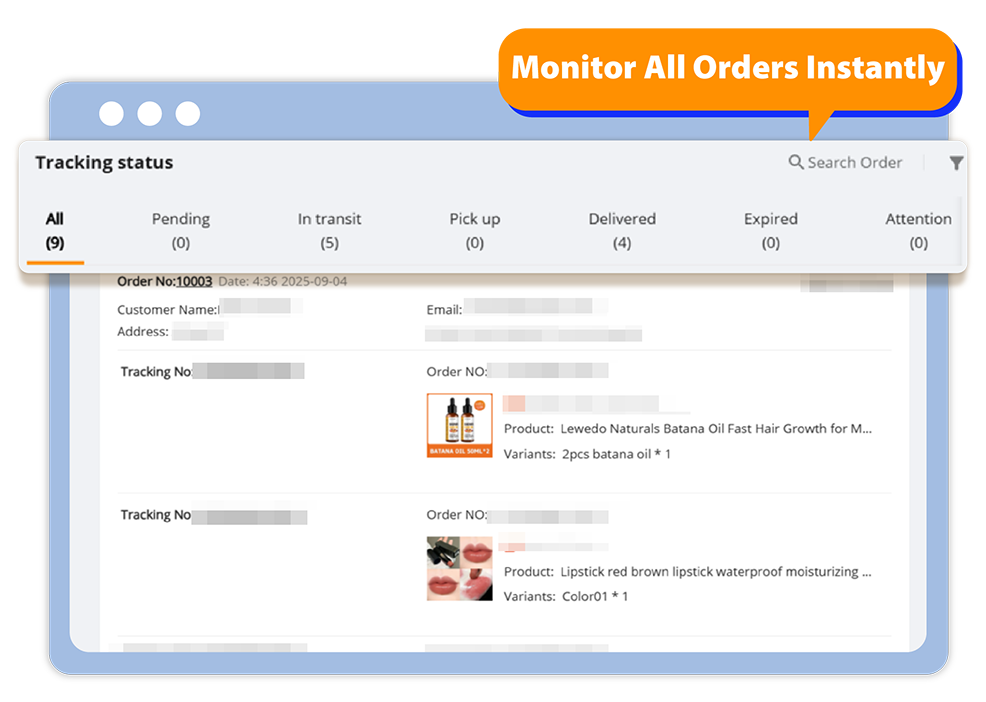
The #1 reason for unhappy customers is the "Black Hole"—that period between payment and delivery where no information is available. To look like a professional brand, you need to provide professional-grade data.
The Strategy: You need a system that bridges the gap between your supplier and your customer. Relying on manual checks is impossible when you are scaling.
- Centralized Visibility: Whether you run one niche store or five general stores, you need one dashboard to monitor all package statuses.
- Universal Compatibility: Your system must be able to "speak the language" of every carrier. Tools like DSers are essential here because they integrate with 2,800+ carriers. This means whether your supplier ships via USPS, DHL, or a small local courier, the tracking data is captured.
- Real-Time Sync: The goal is automation. From the moment the order is placed to the final delivery, the status should automatically sync to your store, triggering Shopify's email updates so the customer is always in the loop.
3. Turn Delivery Glitches into Opportunities (Exception Monitoring)
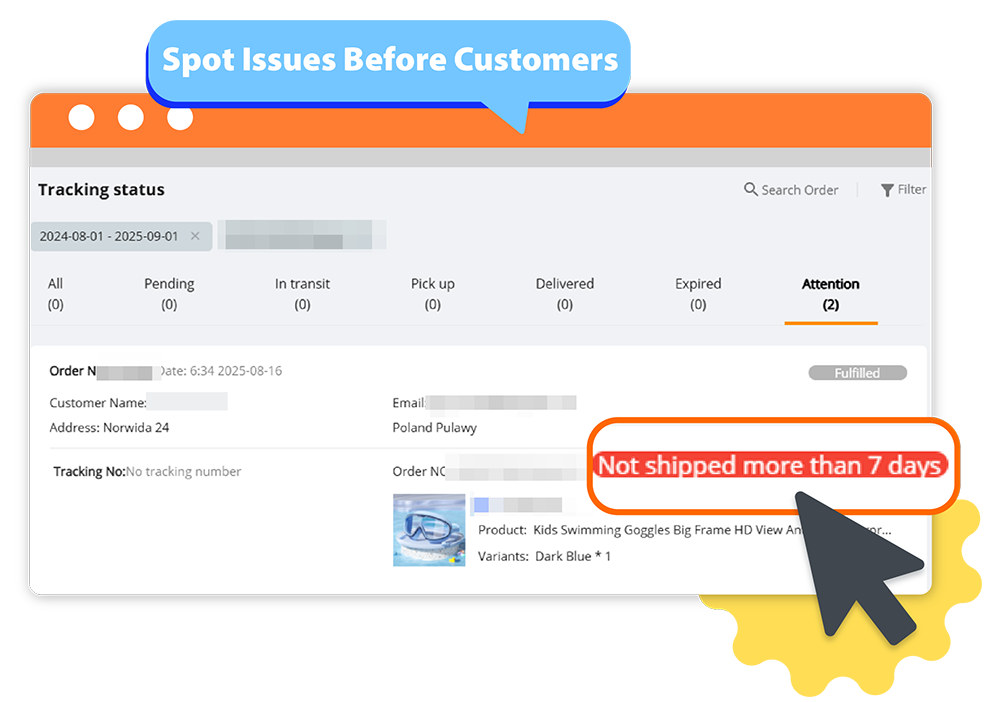
Even the best logistics networks have hiccups. Packages get stuck at customs, labels get damaged, or delivery attempts fail. Average sellers wait for the customer to complain. Top-tier sellers fix the problem before the customer knows it exists.
The Strategy: Don't just track; monitor.
- Early Warning System: You need a tool that doesn't just show "In Transit" but actively flags "Abnormal" statuses.
- Protect Your Profit: By using the alert features in DSers, you can instantly see which packages are delayed or returned. This allows you to contact the supplier for a reshipment or refund before the customer files a dispute, effectively protecting your profit margins and your brand image.
4. The "Under-Promise, Over-Deliver" Strategy
Shipping times are the biggest friction point in dropshipping. A common mistake is promising "10-day shipping" when the average is actually 12 days. When it arrives late, customers feel cheated.
Instead, add a "safety buffer" to your shipping policy. If a product usually takes 12 days to arrive, state "15-20 days" on your store.The psychology is simple:
Arriving on day 12 when promised day 10 = Disappointment (Late)
Arriving on day 12 when promised day 20 = Delight (Early!)
5. The Personal Touch: Post-Delivery Engagement
The transaction shouldn't end when the package is delivered. Most dropshippers go silent after the sale, which is a missed opportunity. Following up shows that there is a real human behind the website who cares about their experience.
Set up an automated email to go out 2 days after the estimated delivery date. Ask a simple question: "Did your package arrive safely? We hope you love it!" You can also include a 10% discount code for their next purchase. This small gesture turns a one-time buyer into a loyal, repeat customer.
💡 Tips
The "Proactive Email" TemplateWhen your tracking system (like DSers) alerts you to a delay, send this email immediately:
"Hey [Name], we noticed a slight delay with customs clearance for your order. We are monitoring it closely and will update you soon. Thanks for your patience!"
Why it works: It turns a negative logistics failure into a positive demonstration of your customer service.
Scenarios
Scaling Phase: When you jump from 10 to 100 orders a day, manual tracking fails. This is the critical moment to implement automated tracking tools to prevent chaos.
Peak Season (Q4/Black Friday): Logistics are slower during holidays. Having "Abnormal Status Alerts" is crucial during Q4 to manage customer anxiety when carriers are overwhelmed.
Dropshipping Satisfaction FAQ
How often should I update my customers on their order status?
Ideally, you shouldn't have to do it manually. Use a tool that auto-syncs status changes (Shipped, Out for Delivery, Delivered) to Shopify, which then emails the customer automatically.
What if a package is lost?
If your tracking tool alerts you to a "Lost" or "Exception" status, contact your supplier immediately for a refund or reshipment, then inform the customer. Proactive resolution is key.
Can I track orders from different AliExpress suppliers in one place?
Yes. Dropshipping management solutions like DSers allow you to manage and track orders from multiple suppliers and multiple Shopify stores within a single account.


 Company
 Why Choose DSers
 Blog
Blog
 Help Center


 Live Chat
